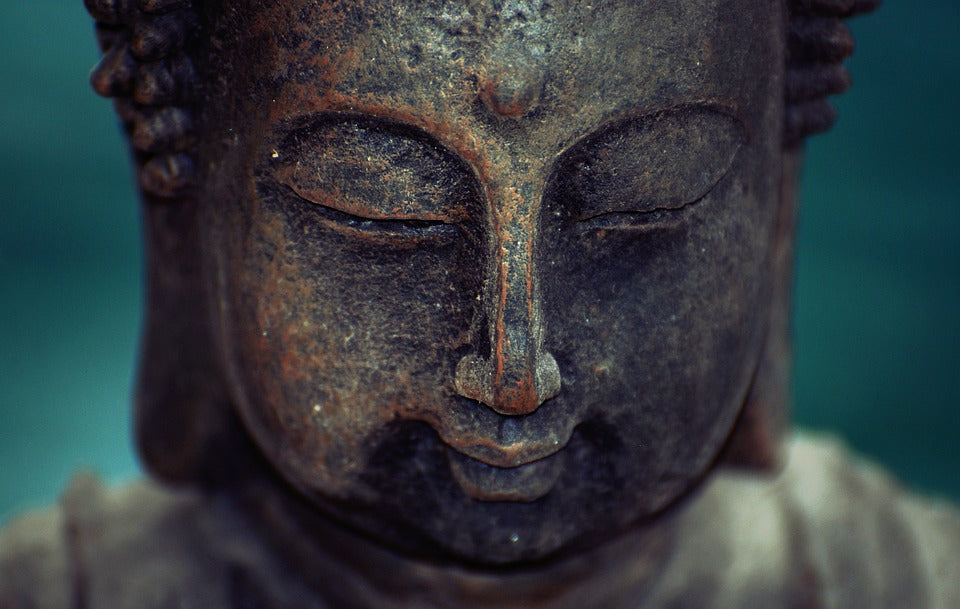
How Dullness Hinders Meditation

Learn to meditate flawlessly for short periods first. When you learn to harness laziness and check restlessness, you are bound to make remarkable progress on the path of meditation.

Dullness of mind is best handled by certain resoluteness.

Even advanced meditators routinely fall prey to the second most common defect in meditation, laziness. Laziness is of two types. Let us say that you have decided to meditate for 45 minutes every day. The first type of laziness makes you want to skip your meditation.

Your conscious mind gives you excuses because it does not enjoy being tamed, it wants to go its own way dragging you along. Purity of discipline is paramount in executing any plan, be it meditation or any other routine. The only way to encounter laziness of this type is to not listen to your mind. If you sit down and vow to meditate no matter what, your conscious mind will eventually understand that you are the master and that you have no plans of showing any laxity when it comes to following your discipline.

The second form of laziness is what we are concerned with over here. It is the one you encounter during your meditation. As you sit down to meditate, motionless, still in one posture, you enjoy the first few minutes.

In the beginning, you are aware of the restless nature of the conscious mind. You work hard to channelise your thoughts, you exert to concentrate and you try to stay focused. When you do that, you experience restlessness. Such restlessness may prompt you to move, engage in thoughts or abandon your session of meditation altogether.

The best way to overcome such restlessness is to relax at that point in time.

guy meditate on peaceful quiet spot on the lake on cotton yoga rug

Goal of Lucid Meditation

As you relax, however, you run the risk of losing sharpness of the mind. Such relaxation, if unchecked, can lead to inertness, inattentiveness, stupor or torpor. Above all, it robs you of the clarity of your visualisation. A meditation that lacks lucidity is as good as sleeping. If you are meditating by way of mental visualisation for example, the image you were holding mentally dims and disappears.

If you are meditating on a mantra, it becomes a superficial exercise of just mentally chanting the mantra and you are no longer hearing it, let alone becoming one with it. Laziness during meditation can take the form of dullness of the mind or lethargy of the body. If your mind experiences dullness or sluggishness, the clarity of the object of meditation disappears.

A session of meditation that is not clear, crisp and lucid, will not allow you to experience even a relaxed state of mind, much less its natural one. You will get up from your meditation feeling quasi relaxed, the type you feel after a nap. Often an overwhelming number of meditators mistake that for good meditation.

Good meditation is not about putting your conscious mind to sleep, it is clearing it. Such clearing brings bliss and sublime sensations with it. If a meditator gets into the habit of meditating incorrectly without actively working towards clearing the hurdles, it becomes extremely hard to get rid of such flaws later on.

coule meditates on white organic cotton yoga mat

 Lazy Mind: A Slow Elephant

A lazy mind in various meditational, yogic and tantric texts has been compared to the slow-moving elephant. The hurdle of dullness is as big as the elephant. It is for this reason that many meditational deities are shown holding a goad, the weapon used to prod an elephant. The esoteric meaning behind such an implementation is to always hold the goal of attentiveness and alertness to control the elephant of sluggishness.

What Causes Laziness in Meditation?

Imagine you are trying to move a big rock. You keep exerting your force. It is only natural that after a while you are going to feel exhausted and tired. Exactly the same thing happens with your mind. When you try hard to concentrate, and keep doing so even when you feel restless, there comes a time when you feel worn out and tired.

If you are not attentive at that time, you will slip into stupor at that very moment. Such dullness compromises your meditation. In every likelihood, presuming you are physically fit, you will experience restlessness before feeling lazy. If you can take corrective measures at the time of restlessness, it becomes relatively easy to overcome laziness.

Like an athlete who gradually builds his endurance, his physical strength raising his pain barrier, a good meditator steadily increases the duration of his meditation. At the peak of my own meditation practice, I used to meditate for a straight stretch of ten hours. It was not easy, but the results were astounding. I did not start sitting ten hours from day one, in fact, I started with multiple one hour sessions, gradually increasing them over the course of many years.

man meditates peacefuly outdoors on cotton yoga rug

The Remedy

The moment you realise you are losing the sharpness of your meditation, you need to exert mentally. You must refresh your concentration, recalibrate your focus. If your laziness has resulted from physical exhaustion, you need to stop meditating. That can happen if your meditation sessions are longer than 90 minutes each, or if you had a particularly stressful and tiring day.

Under such circumstances, you should take a break, get up and inhale some fresh air, and resume your session. If you experience dullness as a result of mental exhaustion, something that can happen even after the first 20 minutes of your meditation, you must not get up and break your session. Instead, try to visualise a bright light, or focus on the enchanting aspects of your object of meditation while staying in the same posture.

Refresh and energise yourself without getting up or ending your meditation. Shift your attention elsewhere for the time being, but do not engage in thoughts that are not linked to your meditation. As you feel fresh again, relax and resume your original meditation. Balance is crucial. When you feel restless, relax; and, when you feel lazy, exert, concentrate.

Restlessness and dullness repeatedly interfere with your meditation. They almost take turns. You need alertness to identify and correct both flaws. Hold short but lucid sessions and gradually increase the duration. Learn to meditate flawlessly for short periods first. When you learn to harness laziness and check restlessness, you are bound to make remarkable progress on the path of meditation.

-Edited excerpts from ‘A Million Thoughts’ by Om Swami

Share the Post:

Blog

Being Awake in the Inner Chamber

What if the deepest peace isn’t found by reaching out — but by turning within? Rooted in Sri Ramana Maharishi’s verse from Ulladhu Narpadu, this article invites you into the inner chamber of awareness. Through the simple yet powerful question, “Where does this ‘I’ arise from?”, we move beyond ego and awaken to the quiet light of the Self — untouched, unmoved, and free.

Read More

Three Pillars of Practice: Nitya, Naimittika & Kamya Karma

Wondering how to build a spiritual practice that’s both meaningful and sustainable? This article explores the three pillars of karma yoga: Nitya (daily discipline), Naimittika (purposeful rituals), and Kamya (intention-based practices). Rooted in ancient wisdom and reimagined for modern living, this simple framework helps you grow steadily — from foundational habits to deep spiritual transformation.

Read More

Book free consultation

Join this trip

Register for this workshop

Filter

Incense Holders

Massages

A full body Ayurvedic massage with warm herbal oils, slow enough to let the muscles soften and the mind actually settle, not just for the hour, but after it too.

Philosophy

A good massage does more than loosen tight muscles. It gives the nervous system a chance to actually stand down, something most people rarely allow themselves.

Every session uses warm herbal oils selected for the individual and the season, and moves slowly and deliberately rather than rushing through a routine. The aim isn't just physical relief, it's a state your body can carry with it after you leave the table.

What's included

Single session, 90 minutes
A full body Ayurvedic massage with warm herbal oils, a gentle focus on calming the nervous system, a few quiet minutes to rest before you leave, and a cup of tea or herbal drink afterward.

or

3 session bundle, 90 minutes each
The same full body Ayurvedic treatment, repeated across three sessions, so the body gets the chance to release tension step by step rather than in one attempt. Booking three together saves 11 euro per massage, 34 euro in total, compared to booking single sessions.

Why a bundle, not just one session
One session brings relief. Repeated sessions let the body relax more deeply each time, since the nervous system responds differently once it starts to trust that rest is coming again. If you're dealing with ongoing tension rather than a one off knot, the bundle is built for that.

Meet your practitioner

Monika has been practicing massage since 2019 and trained in Ayurvedic healing massage with Naga Kumar in Mysore, India, a training that focused as much on how emotions show up in the body as it did on technique.

She starts most sessions with a short conversation, since stress and tension tend to settle in predictable places, the shoulders, the back, the jaw, and understanding what's going on in someone's life helps her work with those patterns rather than around them. She also studied Past Life Therapy with the same teacher, which shapes how she approaches each session as a whole, looking at the physical, emotional, and energetic layers together.

Yoga has been part of her life for many years and gave her a strong foundation for understanding how the body stores and releases tension. She brings that awareness into every massage, so you leave not just relaxed, but more in tune with yourself than when you arrived.

Perfect for

Someone who feels stressed, tired, or overloaded. People who sit a lot, travel often, or carry tension in the body without quite noticing until it's there. Birthdays, holidays, thank you gifts, or simply because someone deserves it.

FAQ

Yes. Just include the recipient's name when you book, and Monika will send a personalised card with their name on it.

Yes, the bundle is intended for a single recipient across all three sessions.

The recipient books at their own pace, whenever suits them best.

Warm herbal oils are chosen individually, based on the person and the season, to support the whole system rather than a generic blend.

One session helps.
Three change something.

Consulting & Yoga Therapy

Wellbeing isn't a single appointment. It's a process, and we walk it with you.

Philosophy

Most people arrive at a consultation already knowing something is off. Low energy, disrupted sleep, digestion that never quite settles, tension that sits in the same place no matter what you try. What's usually missing isn't effort. It's a clear picture of what's actually happening, and a plan that fits your life instead of a generic one.

That's what a Leela consultation is built to give you. We start by listening properly, then map your Ayurvedic constitution and current imbalance, and turn that into something concrete you can follow, paired with treatment that supports the shift rather than just relaxing you for an afternoon.

What this workshop actually gives you

Initial Ayurvedic consultation and assessment
A full session covering your current health concerns, digestion, sleep, energy, and emotional balance, your daily routines and habits, and your Ayurvedic constitution alongside your present imbalance.

A personalised lifestyle and diet plan
Following your consultation, you receive a tailored program built around your dosha, including daily routine recommendations, a diet plan aligned with your imbalance, stress relief practices, and small lifestyle adjustments meant to hold over time, not just for a week.

Guided therapeutic treatment
Depending on the package, this includes a series of therapeutic massages such as Abhyanga, booked at your own pace to support and continue the shift the consultation starts.

How it works

You start with the consultation, either online or in person. From there you receive your personalised plan. Any included treatments get booked on your own schedule, ideally spaced out over four to six weeks for the strongest results. The aim isn't a single good session, it's a steady shift you can feel and sustain.

Who this is for

This is for you if you're feeling out of balance, stressed, or low on energy, want to start Ayurvedic healing in a structured way rather than guessing, are dealing with digestive issues, tension, or disrupted sleep, or simply want deep relaxation paired with guidance you can actually use afterward.

FAQ

Yes, the first Ayurvedic consultation and assessment is included at no cost as part of the process.

It depends on your plan, but a typical arc runs four to six weeks from your first consultation through your final treatment session.

No. The consultation is designed to explain your constitution and imbalance in plain terms, no prior knowledge needed.

Yes. While we recommend spacing them within four to six weeks for continuity, the exact timing is up to you.

Start with a real conversation.

Understand your body before you try to fix it.

Workshops

A structured, video based course in Asana, Pranayama, and Meditation, rooted in traditional Indian yoga, built so you can practice with real understanding instead of just following along.

Intro

A structured, video based course in Asana, Pranayama, and Meditation, rooted in traditional Indian yoga, built so you can practice with real understanding instead of just following along.

What this workshop actually gives you

What's inside

12 video modules, over 2 hours of instruction
Taught directly by Martin and Monika, both trained in Indian yoga traditions, blending the theory behind each technique with how to actually practice it.

A companion eBook
A written summary of every technique for quick reference, plus a curated list of recommended books, documentaries, and films for anyone who wants to go deeper than the course itself.

Ongoing support
Questions don't stop when the course ends. Reach out by email any time something needs clearing up.

Why this course

Yoga content online is everywhere, and most of it has drifted a long way from where the practice actually started. This course doesn't try to reinvent anything. It distills what Martin and Monika learned through years of traditional training into a format you can actually get through, no padding, no filler modules, just the techniques and how to use them.

FAQ

No. The course is built to take you from the basics through to independent practice, one technique at a time.

Self paced. All 12 modules are video based, so you move through the material on your own schedule.

Email support is included. If something in a module isn't clear, you can reach out directly.

A working understanding of Asana, Pranayama, and Meditation you can practice on your own, plus the eBook as a permanent reference.

Learn it properly, once.

The techniques. The context. The way they were meant to be taught.

Trips

Leela Trips are immersive journeys built around Ayurveda, yoga, and time away from everything that keeps your body on alert. Small groups. Real guidance. Nothing rushed.

Philosophy

Leela Trips are immersive journeys built around Ayurveda, yoga, and time away from everything that keeps your body on alert. Small groups. Real guidance. Nothing rushed.

We build every journey around one simple idea. The body already knows how to rest, digest, and heal. It just rarely gets the conditions to do it. So we remove the noise, the schedule, the constant choosing, and replace it with structure that supports your nervous system instead of taxing it.

That means smaller groups than you would expect, real Ayurvedic practitioners instead of a spa menu, and enough unscheduled time to actually feel the difference.

How a Leela trip is structured

Every trip follows the same underlying rhythm, even when the destination changes.

Part one, healing
The first stretch of the journey is built around Ayurvedic treatment. Daily consultations, herbal therapies, gentle movement, and a diet designed to support digestion and detoxification rather than restrict it. This is the part where the body starts to soften and the nervous system gets permission to switch off.

Part two, integration
From there, the trip moves toward simplicity. Yoga practice, breathwork, walks, workshops, and evenings that end early instead of late. Less doing, more noticing. This is where what you learned in part one starts to settle into something you can actually take home.

Our upcoming journey to Nepal follows exactly this shape, five days at a traditional Ayurvedic clinic near Kathmandu, followed by a stretch of mountain living near Pokhara.

Who guides you

Leela trips are led personally, not handed off to a local operator once you land.

Monika's path into yoga and Ayurveda began in a traditional Yoga Gurukula in India, where living alongside her teachers shaped how she understands the practice, not just as movement, but as a way of living. Her training since then has covered Ashtanga yoga, Yoga and Ayurveda therapy, Ayurvedic massage in Mysore, and cleansing techniques studied across Nepal and India.

That background shapes every trip. Treatments are chosen with intention, the pace respects where your body actually is, and nothing on the itinerary is there just to fill a day.

What to expect

Small groups, usually no more than around eight people, so the experience stays personal rather than logistical. Private or shared rooms, all meals prepared with digestion in mind, daily Ayurvedic treatment during the healing stretch of the trip, and daily yoga and meditation throughout. Full guidance from Monika from arrival to departure. Space to rest, journal, or simply do nothing, built into the schedule rather than squeezed around it.

FAQ

Expect two distinct phases. The first is treatment heavy, herbal therapies, oil massage, and gentle movement. The second is more active, with daily yoga and longer walks. Both beginners and experienced practitioners are welcomed at their own pace.

No. Trips are designed around where your body is now, not a fitness level you need to arrive with.

Groups stay small, generally no more than around eight, so the guidance stays personal rather than diluted across a crowd.

International flights, visas, travel insurance, and any personal purchases beyond the trip itself.

Deposits secure your place in a very limited group and are non refundable, since spots that open up are hard to fill on short notice. Full policy details are shared once you book.

Some resets need more than a weekend

Explore our upcoming journeys, or talk to us first if you are not sure which one fits.